
For most new companies, fundraising sits near the center of the plan. Conference stages and photos with famous names look like success metrics, yet day to day outcomes often hinge on informal meetups and ordinary relationships. A study released today by The Economist Intelligence Unit (EIU) says informal networks are vital for 78% of startups.
EIU interviewed more than a thousand founders in places known for entrepreneurship, including New York, Tel Aviv, London, San Francisco, and Hong Kong, for Informal Innovation: Entrepreneurship and Informal Communities. People usually hear “network” and think of warm intros to investors. This research puts hanging out with other founders first.
Online networks come first
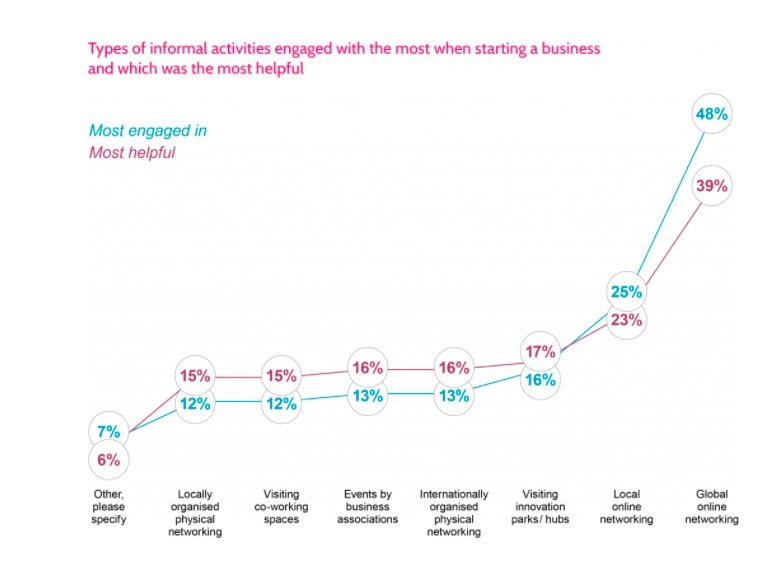
Some 58% of respondents say they belong to business networks on global platforms such as LinkedIn, WhatsApp, or Facebook. Founders in London, New York, and Tel Aviv say the most important support for their work is gathering with other startups. Half belong to six or more global networks, and 44% join six or more local online networks. Founders agree that global and local communities are the key support when starting something new.
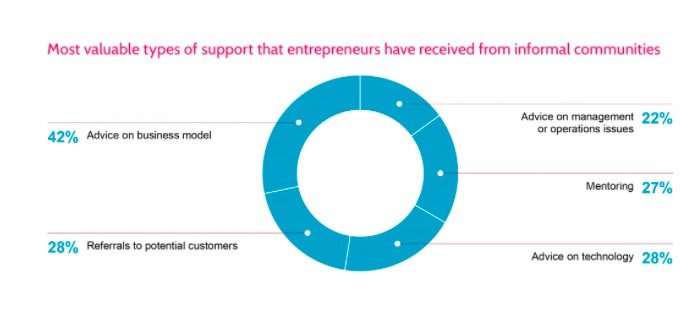
Many startups share the same fundraising and ops headaches. Among founders who meet peers in these networks, 42% say the most valuable advice was about the business model. Twenty-eight percent were pointed to potential customers and got tips on new tech. Mentorship mattered for 27%, and management or operational fixes for 22%.
Joining new networks is also mostly online, which is why purely physical networking rates look lower: 29% say they attend events in their own city. Founders still visit coworking spaces and alumni events at international universities. The study notes that startups which do show up in person project stronger images on profitability, revenue growth, innovation, and talent.
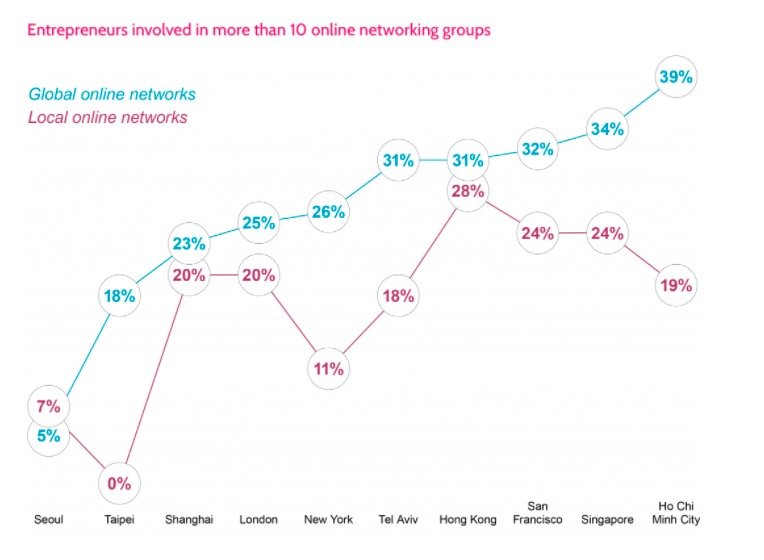
The report argues governments should back founder communities as well as capital. Rising participation in global networks is one of the clearest trends.
The study does not mention Slack, but it is worth noting how well that tool gathers these communities. In Turkey, networks such as Garaj suggest the same pattern holds here too.
