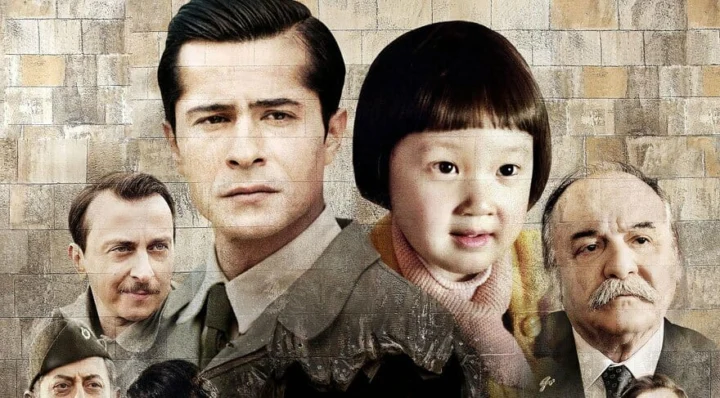
Waking before dawn on a hot summer day in 1999 with a pain in the chest. With a child’s mind hearing that cities had been leveled, and that someone closer than a sibling lived in those cities. Broken families, lost hopes, and a rebirth story. Our whole country knows that story. The 99 Marmara quake took a piece of each of us. Afterward I could not tell whether to rejoice that my sister lived or cry that Metehan, my nephew in name and my brother in truth, whom I had run with in Sakarya streets only the week before, was gone. People of many nations were in the cities, each wanting a share of the pain. Most of all there were people I thought Japanese or Chinese. When I asked my father why they came, he said they are Korean; they owe us a lifetime of gratitude.
On a hot July day in 2014 four of us walked Seoul streets in red-flag shirts, tired and a little lost, and ended in a cafe. With the coffees a dessert plate was set down. “We did not order this,” we said. “It is on the house for Turks,” came the answer. I still remember how long we stared without touching cup or plate. Soon an older Korean who said he owned the cafe asked to sit. In broken English he told us he was an orphan who had studied at the Ankara school and carried great love and gratitude for Turks.
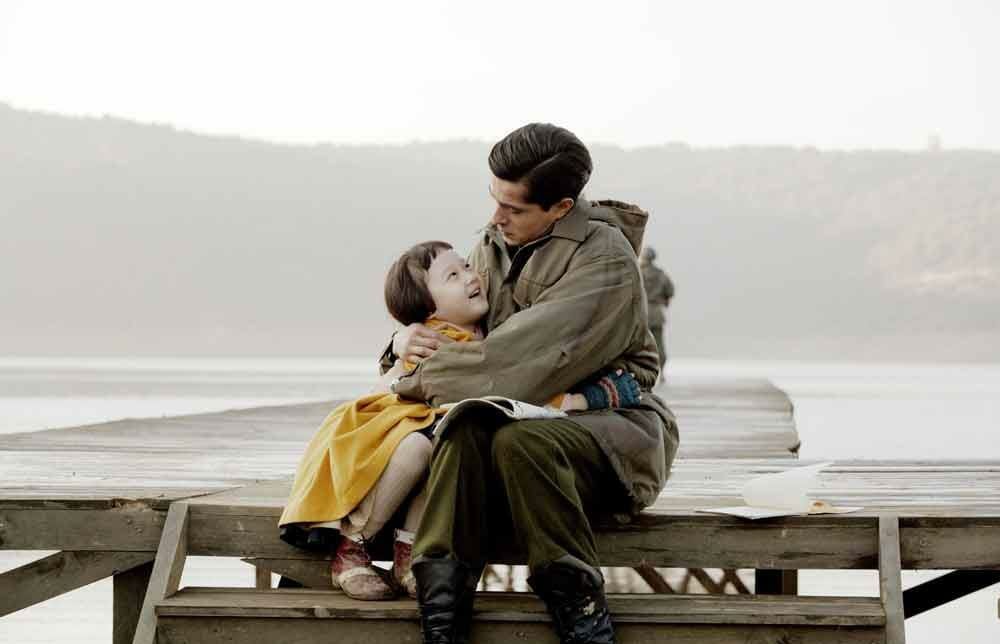
I wanted those two memories before writing about Ayla. When Korea is mentioned we are not remembered as who started or won a war, but as Hero Turks carved into the world’s memory.
As a screenplay Ayla brings a story our country already knows. The core theme is kept, with the usual additions and cuts of adaptation. The film is full of love, longing, and partings. Watching Sergeant Suleyman leave his beloved for Korea and find an orphaned child in the middle of war fills your eyes and swells your chest. After fifteen months with Ayla he must go home; he tries every way to bring her and fails. In the second half, separated from Ayla and learning the woman he loved has given up hope, his world darkens again and he leaves for Istanbul. Across past-and-present scenes he never forgets Ayla and comforts himself with any piece of her until a happy ending arrives.
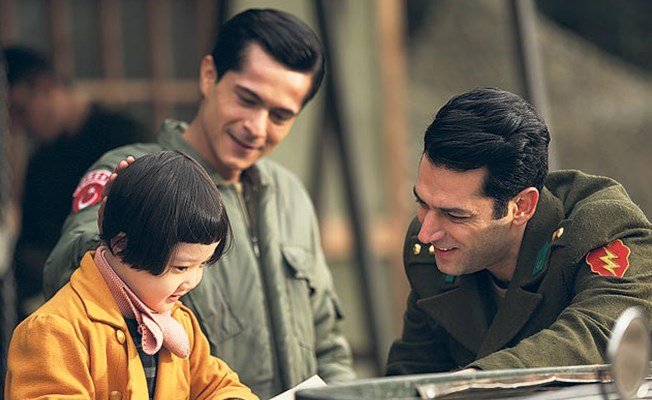
Ayla is a film you can take the family to, and the cast works for me. Marketing it as an “Oscar nominee” bothered me a bit. It is not an Oscar nominee; it is a contender to become one. Even that status used a small trick. A film that never screened cannot go to the Academy. So Ayla, taking a mini-trick from Nuri Bilge Ceylan, had a token screening and then headed to the Academy.
One plus for me was the refugee children. With millions of refugee kids in our country, building and acting on that sensitivity is a duty on all of us.
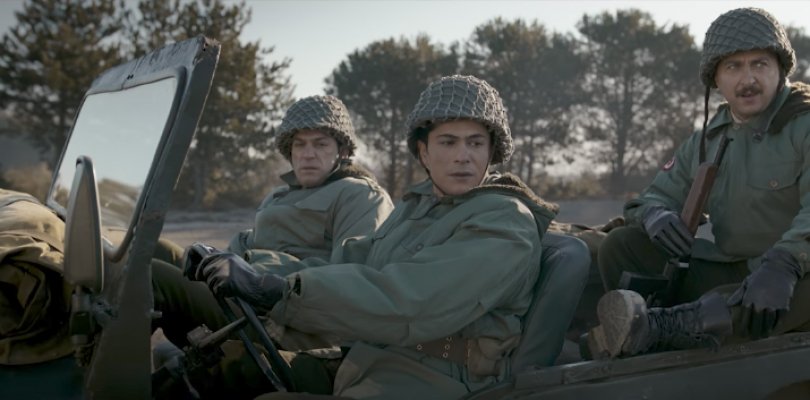
Whether Ayla wins an Oscar I do not know, but Turkish audiences clearly love it from the numbers. If you have time, go; take your children. In an age of worn-out feelings we need works like Ayla to wipe the slate and remember who we are.
Nuri Killigil, Vecihi Hurkus, Ayla, and more… I believe real hero stories like these should be loved by our children more than Hollywood’s made-up heroes.
