Another young woman has closed her eyes after a blood-freezing, inhuman murder that shook the country. You can read what happened in the papers. Then a few friends can argue hotly for hanging or castration, tweet about it, or write long Facebook comments under her photo cursing the killers. A few days pass, we forget, and go quiet. Another murder comes, and we react the same way, as we did after Munevver Karabulut. Today, instead of joining the pile-on against so-called modern law, I want to take you briefly into the past. Buckle up for a short tour of women’s rights and sexual crimes under our supposedly “reactionary” ancestors.
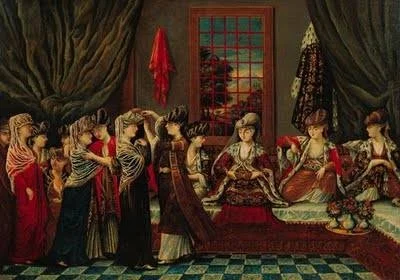
We are not the grandchildren of the caricature that paints them as woman-and-drink addicts who killed children and siblings, hauled the prettiest girls into the palace after conquests, preyed on boys, and shared a different bed every night. Against that tale, we come from ancestors who put women at the center of life, valued their education, and granted social rights. In the Ottoman Empire women fell roughly into harem, urban, and rural. The harem included the sultan’s family and women being educated there. Yes, educated: the harem was not a storage room for the sultan’s women but one of the most orderly, high-quality schools for women of its centuries. Some stayed; some “graduated” into marriage with men trained in the parallel Enderun school. Most urban women could read and write and held social rights. Marriage was written before a qadi and required the bride’s consent. Women could go to court over divorce, inheritance, and more. Rural women appear in sources as more often able to read than write. Economically they worked too: farming in the countryside, crafts and arts in cities. When jailed, women were held in Nisa prisons, and large mansions were sometimes rented to improve conditions.
The Ottomans were also harsh on crimes against women. Before 1858, under classical Islamic and customary law, many sexual crimes against women ended in execution; others in castration or galley labor. Sometimes, if the victim consented, marriage to the offender occurred. The key point: that marriage required the woman’s own consent.

The table above covers sexual crimes against women in the Balikesir sanjak in the 17th century. Rape, harassment, and related offenses appear as the least common after a few other categories, totaling eight. Many specialist historians even call that number high for one century in one sanjak.


The tables above count people convicted and jailed for sexual crimes in Balikesir province between 2005 and 2008. In four years, 125 people; that already beats the entire 17th-century total of 105. A shameful balance sheet.
Time to bow our heads and think. In an age when women are said to have had no social life and no rights, crimes against them were strikingly few (few relative to topping that count in four modern years; specialists still called the Ottoman figure high). Has a Republic that has not even finished its first century, with its so-called modern and civilized law, given women rights, or made them daily news as victims, harmed, killed, raped? To those who smear the Ottomans with immorality while this goes on, I close with: Those reactionaries did not murder women, sir!
