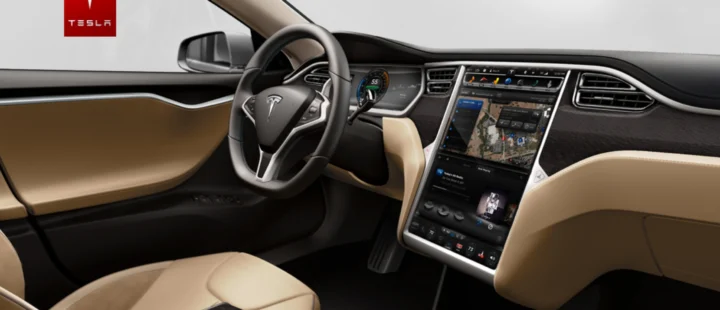
If you know Nvidia from gaming, you might have expected its Amsterdam conference two weeks ago to stay on games. It did not. Games still drive about 56% of company revenue, but the loudest theme was automotive.
It sounds odd at first, yet Nvidia and many other software and tech firms are steadily taking a larger role in cars. As assisted and autonomous driving mature, companies strong in graphics, AI, and deep learning matter more to automakers.
Tech companies are being bought
To keep up, carmakers are buying startups in these fields at a rapid clip. In 2015 and 2016 alone, automotive companies spent $74.4 billion on acquisitions, versus a 10-year annual average of just $17.7 billion. In 2015 there were 18 deals above $500 million; 2016 already had 11. Before 2015, the prior decade averaged only about six deals of that size per year.
Spenders include not only General Motors and Toyota but also Intel, Apple, and Google. Mobility brands such as Uber, Lyft, and Didi are reshaping the space too. Uber bought autonomous trucking startup Otto for $680 million within Otto’s first year.
Ride-hail and car-share apps are so strong that it would not be shocking if they effectively run the industry soon, with traditional OEMs reduced to hardware suppliers.
Electronics cost keeps rising
A “good car” used to mean mechanicals, engine power, and a solid body. Electronics and software now sit beside those traits. A decade ago they were about 20% of vehicle cost; today they are around 35% and still climbing.
The near future of auto will look very different: some firms will vanish, others will be absorbed, and the clearest winners may be tech companies that sell autonomous driving parts. Carmakers will need those partners more than ever to hold their place.
Source: VentureBeat
