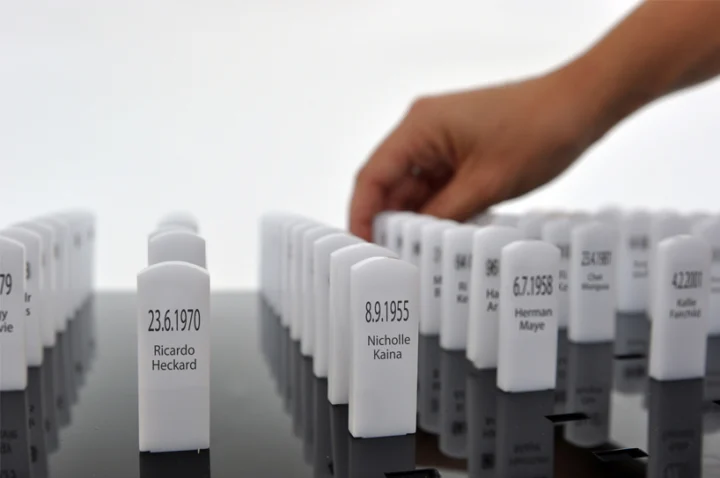
By the end of this century most of us will have closed our eyes on life. Unlike earlier generations, the new one will also leave a virtual grave beside the physical one. Accounts we built on Facebook, Twitter, Instagram, and the rest will stay on those sites after we die.  By 2098, Facebook’s dead users are forecast to outnumber the living, turning the network into the world’s largest cemetery.
It does not have to stay that way. Most social sites can delete an account at a family’s request. But startups also want those accounts far more active than we expect.
I leave; my Facebook stays
Facebook already lets you choose who should control your account after you die, so a relative can keep posting. If that feels odd, you have not heard the rest.
If you would rather leave your digital self to an AI that imitates you instead of a relative, that exists too. Dead Social lets you schedule posts to publish when you die, so you can update from the grave. Creative, and also a way to give friends a very unpleasant experience.
Leave your place to AI
If posthumous status updates are not eerie enough, try apps that learn you for life and then run your social accounts after death. Eternime talks with you a few times a week to learn your style and personality, then manages your account and chats with people who message you after you are gone.
Eter9 studies your posts and comments so it can keep sharing in your name. Founder Henrique Jorge says it does not latch onto one band you mentioned once and spam it forever; it looks at your whole history and posts accordingly.
An avatar that keeps criticizing parties you disliked or arguing with relatives on Facebook after you die does not sound appealing. In a distant future, though, great-grandchildren talking with an AI that sounds like you could be interesting. If you do not want them to meet a hollow version of you, delete the uncool posts before you go.
