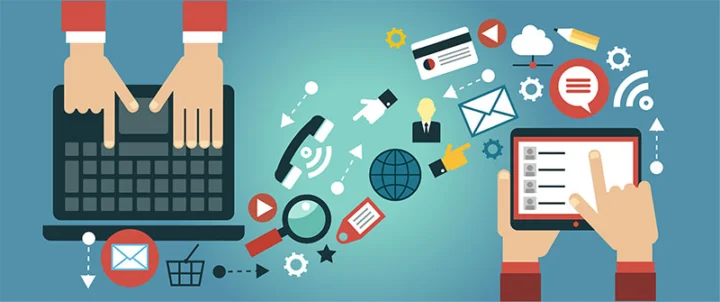
“Omni-channel” is a buzzword, and it points at something real. Marketers are expected to deliver a seamless experience no matter the channel or device.
Omni-channel marketing means watching the journey through the customer’s eyes and managing it so shopping feels seamless, integrated, and consistent everywhere. It is the grown-up version of multi-channel: online store and physical store strategy are treated as one system.
The assumption is that people start on one channel and finish on another. Whether the user is online or offline should not splinter the campaign. Data from every channel lands in one place, gets analyzed, and every channel is tuned for personal communication.
What is the goal?
Omni-channel aims to manage interactions across many channels from one platform and deliver a comparable experience on each. Until a firm’s online and offline presence actually acts as one, the strategy does not fully work. Brand experience sits at the center, so technical foundations need careful planning. In this view an ecommerce site is not only a checkout; it is also a relationship layer.
Advantages
A clearer roadmap. Every marketing plan has a growth path. Firms that run omni-channel often share one map, which makes execution and positive results more realistic.
Measuring behavior. Strong CRM data lets teams follow journeys that start online and finish offline, then improve strategy from what people actually do.
Higher profitability. Seeing sales and conversions across channels in one place helps decide which products to push or cut.
Smarter budgets. Richer data shows where online and offline spend works harder.
Remarketing. Abandoned carts and half-finished journeys are easier to nudge to completion.
Satisfaction. Equal experiences across channels are a reliable way to lift how people feel about the brand.
