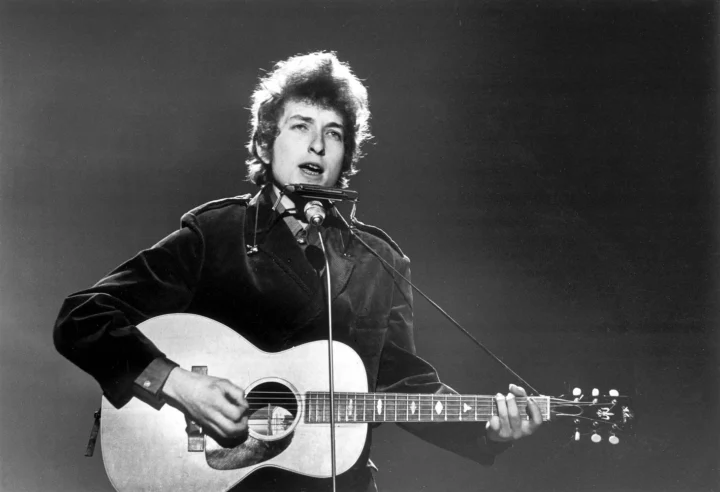
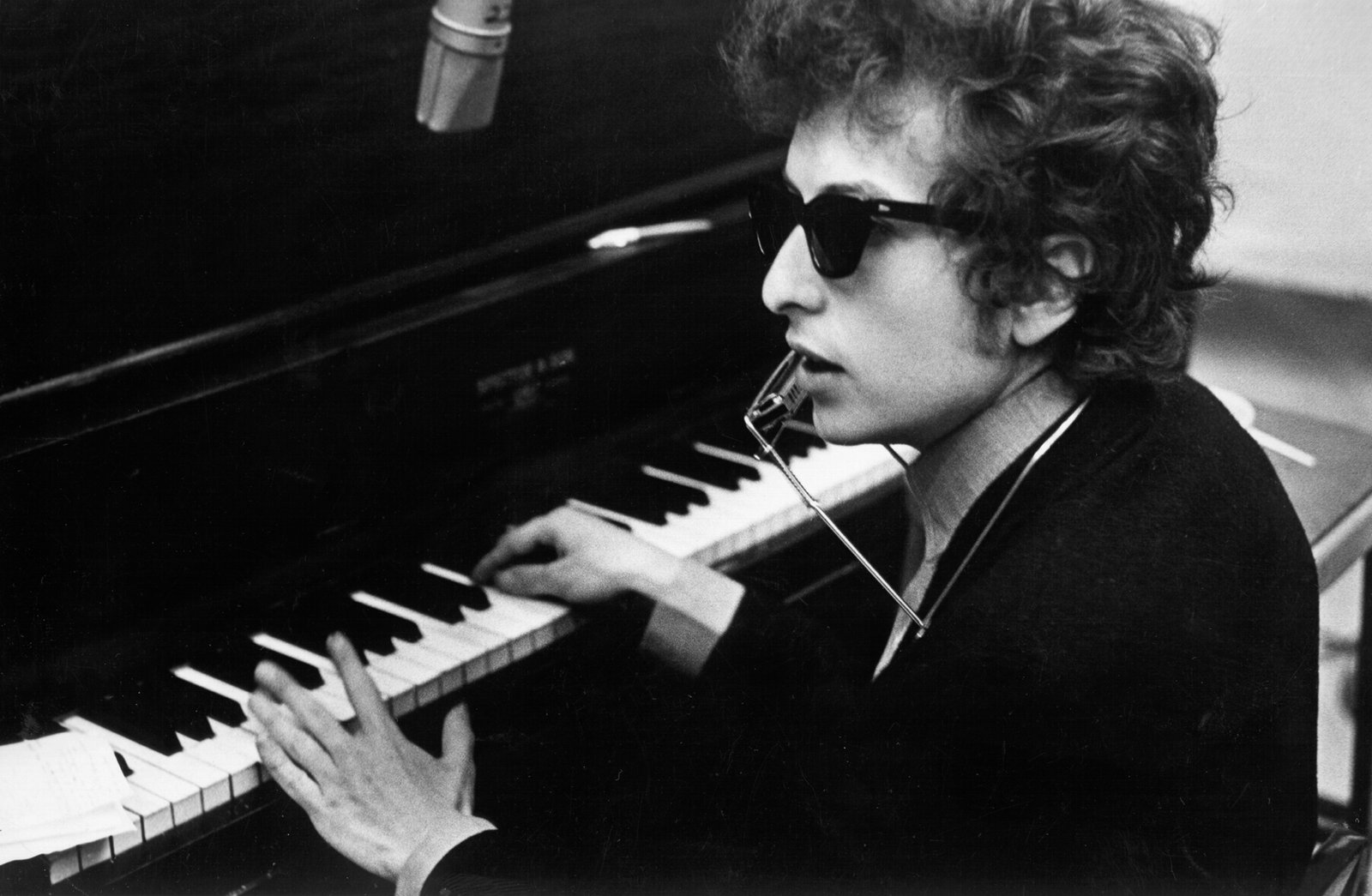
 In a surprising move, the Nobel jury awarded U.S. singer-songwriter Bob Dylan the Nobel Prize in Literature for creating new poetic expression within the American song tradition. Praise and backlash arrived quickly. Giving literature’s medal to a lyricist startled many people.
Since the 1960s Dylan’s songs and albums have shaped musicians worldwide. After the announcement, several literary figures described how his music and words marked their own work.
Swedish Academy secretary Sara Danius said Dylan won as a poet. In ancient Greece, she noted, Homer wrote to be performed with melody, and that did not make him less a writer. Setting poems to music should not eclipse Dylan’s literary gift; he enriched oral as well as written literature.
Praise from the literary world
Salman Rushdie welcomed the choice: “Literature’s borders keep expanding. It is good that the Academy embraces that.” Musician Jarvis Cocker called Dylan “a very good choice” and said his humor is often overlooked. Oxford English faculty chair Seamus Perry likened Dylan’s talent to Tennyson’s: individual, humane, angry, witty, gentle, and fully original.
Those who disagreed
Andrew Motion, Joyce Carol Oates, and others also defended the pick. Not everyone agreed. Novelist Will Self argued Dylan should refuse, following Jean-Paul Sartre, because Alfred Nobel’s fortune came from explosives and arms. Sartre had rejected the prize saying a writer must not become an institution.
Harsh criticism
Trainspotting author Irvine Welsh dismissed it as a “nostalgia award” cooked up by “out-of-touch old hippies.” Novelist Hari Kunzru called it the most absurd Nobel since Obama won for not being Bush.
Dylan had been a long-shot rumor in past years. Many expected Kenyan Ngugi wa Thiong’o, American Don DeLillo, or Japan’s Haruki Murakami instead.
